Digitalization in metal workshops
Technology and efficiency in metal processing
Operational challenges in metal workshops
A metal workshop is a facility specialized in sheet metal cutting, forming, machining, welding, and assembly of metal parts. It serves sectors such as construction, energy, industrial machinery, transportation, and shipbuilding.
Unlike more specialized industries, metal workshops often combine multiple manufacturing technologies and materials to handle diverse orders. In the same production environment, laser cutting, plasma cutting, bending, punching, or machining processes may coexist, along with outsourced operations.
This diversity increases operational complexity. Workshops must plan across different machines, coordinate external suppliers, and manage inventory with multiple sheet types, profiles, thicknesses, and material grades.
Digitalization connects design, quotation and production. This reduces errors, shortens lead times, and improves cost control and manufacturing efficiency.

Varied and urgent orders
From single pieces to large batches, often with last-minute changes.

Accurate and time-sensitive quoting
Laser cutting, waterjet, plasma, or hybrid technologies. Choosing the right process for each part is key to maintaining competitive costs and delivery times.

Limited shop floor visibility
Many workshops still rely on paper or spreadsheets, making it difficult to coordinate machines, processes, and subcontracted work.

Operator turnover
Staff rotation or lack of skilled operators affects consistency, quality, and production output.

Low material utilization
Workshops handle a wide range of sheets, profiles, thicknesses, and materials, which complicates inventory control and reduces real material efficiency.

Disconnected design and production
Misinterpretation of drawings, avoidable downtime, and cost deviations between planning and execution.
What should your software for metal workshops include?
Choosing the right industrial software is key to transforming a traditional workshop into a competitive and scalable production environment. Some objective criteria that should be evaluated include:
Fast and realistic quoting
The ability to generate quotes considering geometries, available materials, and estimated production times.
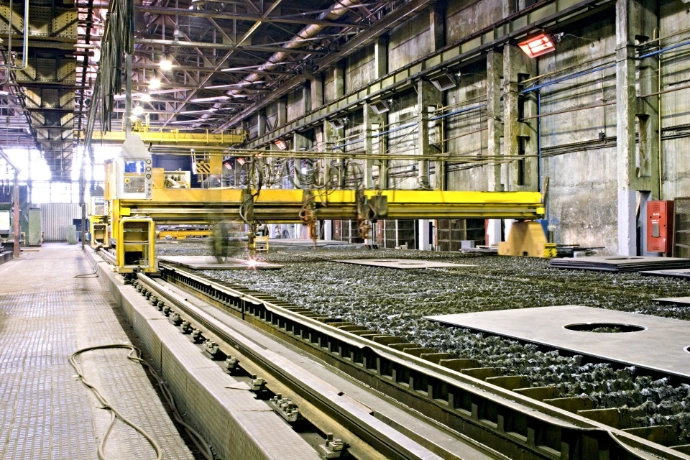
Multi-machine and multi-technology connectivity
The software must integrate with different cutting, bending, punching, or machining technologies, sending paths directly from the CAD/CAM system and facilitating the management of mixed production environments.
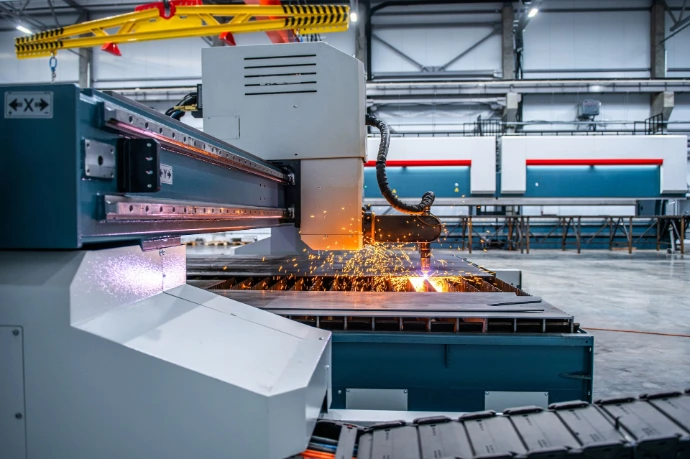
Real-time control
Allows visualizing the status of each order, identifying bottlenecks, machine downtimes, or production deviations.
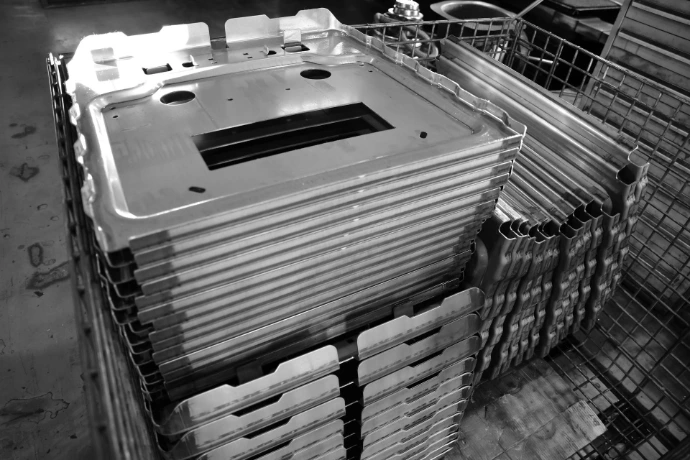
Traceability by part, batch, or order
Structured tracking of each component from design to delivery, without requiring complex tasks for the operator.
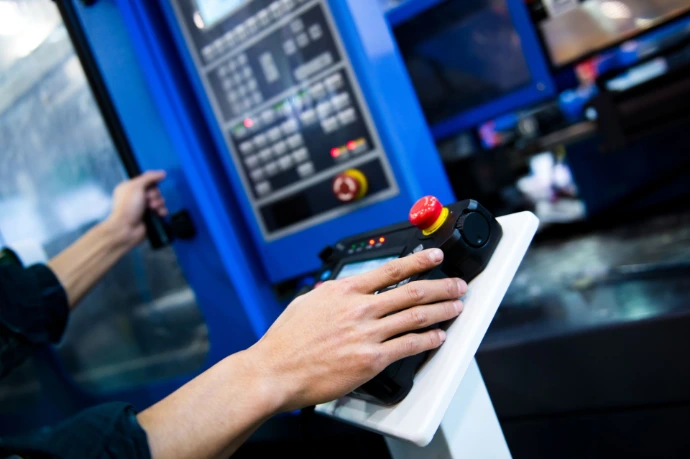
Scalability for friction-free growth
Allowing the addition of functionalities, users, or machines without rebuilding the system. Ideal for expanding or diversifying workshops, it is key to transforming a traditional workshop into a competitive and scalable production environment.
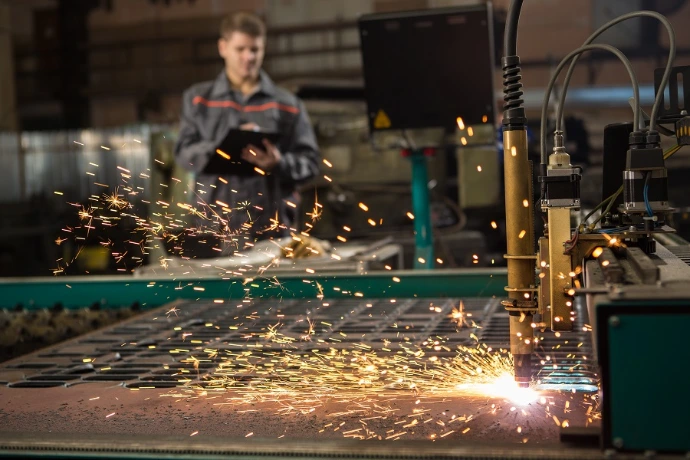
Efficient material management and automatic nesting
Control of sheet, profile, and remnant stock with real-time warehouse visibility. The system optimizes the use of every available piece through real-time automatic nesting, leveraging existing material right before production and reducing waste.
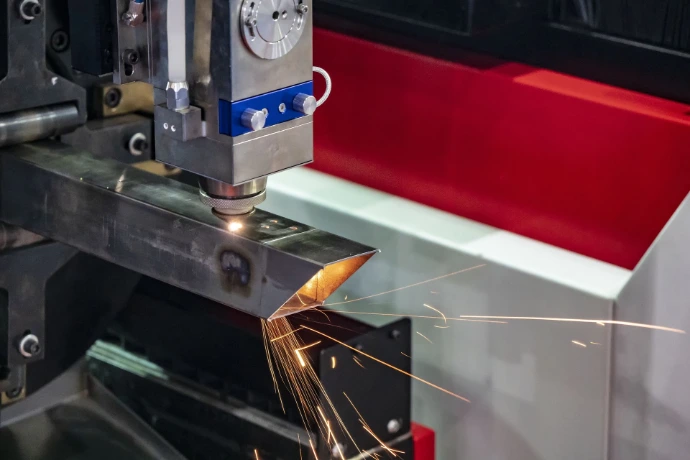
Digital solutions for metalworking workshops
Full control of operations, production performance, and cost tracking.
Metal workshops require solutions that balance speed, accuracy, control, and profitability, especially in environments where multiple technologies, materials, and external suppliers coexist.
Cutting and automatic nesting
Generates precise cutting paths and optimized nesting based on real stock. Suitable for workshops with high variability in orders and materials.
Parametric design
Enables fast design and modification of parts without redrawing. Useful for structures, frames, metal furniture, and custom fabrication.
Production analytics
Provides reports on efficiency, downtime, material usage, and KPIs. Supports continuous improvement in manufacturing operations.
Industrial ERP connected to production
Manages purchasing, inventory, orders, and costs. Coordinates subcontracted work and maintains control across machines and suppliers.
Cutting processes in the modern workshop
Cuts and transforms without errors
Workshops use different cutting and forming technologies depending on part type, production volume, and materials. The right choice directly impacts cost, quality, and delivery performance.
Waterjet
Cold cutting process without thermal impact. Suitable for sensitive or multilayer materials where structure must remain unchanged.
Plasma cutting
Efficient for thicker sheets and high-speed production at lower cost. Common in workshops with varied workloads.
Punching
Suitable for repetitive geometries, forming operations, and combined processes. High productivity for standardized parts.
CNC bending
Transforms flat sheets into three-dimensional parts. Essential for structures, enclosures, and supports. Integration with CAD/CAM reduces errors and improves dimensional accuracy.
Success stories in metal workshops
Frequently asked questions
Yes. In make-to-order environments, each job involves different geometries, materials, and priorities. The system must manage unique parts, short runs, and frequent changes without restarting processes.
The planning, cost calculation, and program generation must adapt to real workload.
Yes. Industrial software should import 2D and 3D files from major CAD systems while preserving geometry and attributes. This avoids manual interpretation between engineering and production.
CAD/CAM solutions convert designs into cutting programs.
Yes. The system can calculate material consumption, machine time, and additional operations based on part geometry. This improves consistency between quotes and real costs.
Tools such as technical quoting solutions support this process.
Yes. Automatic nesting optimizes part layout based on available material and thickness. It also manages reusable remnants and intermediate stock.
In sheet metal software such as Lantek, material optimization is part of the core functionality.
In real workshops, it is common to work with equipment from different manufacturers and generations. The software must be independent of machine brands and capable of managing multi-technology environments.
Solutions designed specifically for metal processing take this diversity into account from their architecture.
Yes. The recommended approach is to integrate production software with the corporate ERP. The ERP manages finance, purchasing, and global inventory, while the production system handles detailed planning, machine scheduling, and real data capture.
In this model, Lantek acts as a specialized layer that integrates with the existing ecosystem through different integrations, including APIs.
A complete system must manage different technologies within the same digital workflow, avoiding fragmentation of information.
Solutions focused on metal processing include sheet metal, tube, and profile cutting within a unified environment.
Yes. Automating calculations, standardizing processes, and capturing structured data reduce dependence on informal knowledge. Efficiency should not rely only on individual experience.
In environments with high staff turnover, specialized platforms help systematize production knowledge.
Through real-time data capture, it is possible to identify unproductive time, machine stoppages, and deviations from planning. Without real production data, continuous improvement is limited.
Industrial solutions with capture and analysis modules allow machine data to be converted into operational indicators.
Yes. If materials, machine times, and labor hours are recorded, the system can compare actual costs with estimated costs. This enables margin analysis and correction of deviations.
In integrated platforms such as Lantek, this information is directly linked to the order and the customer.
In a metal workshop, performance depends on cutting, bending, nesting, and machine execution. Generic ERP systems manage finance, purchasing, or inventory, but do not address manufacturing complexity.
Specialized sheet metal software manages the production core: multi-brand CAD/CAM, material optimization, machine planning, and real-time data capture. It complements ERP systems by covering the technical manufacturing layer.