Digitalization and industrial software for heavy machinery manufacturing
Heavy machinery manufacturing demands millimeter-level precision in cutting, welding, and assembly.
Key challenges in heavy machinery manufacturing
Chassis, arms, cabins, booms, buckets, and hydraulic systems are core elements in the production of heavy machinery for construction, mining, and infrastructure. This includes excavators, bulldozers, loaders, and specialized mining equipment.
These machines operate in demanding conditions and combine thick steel structures with precision mechanical components. This requires processes such as thick plate cutting, structural welding, machining, and the assembly of large subassemblies, together with full traceability for parts and production stages.

Large-format structures and advanced internal logistics
Components such as excavator arms, bulldozer frames, and mining machinery chassis require equipment that can process thick plates and heavy parts.
This calls for robust cutting technologies, advanced internal logistics, heavy-duty tooling, and structural welding for the assembly of large components.

High safety and regulatory requirements
Machinery used in construction, mining, and infrastructure must comply with international safety and strength standards. A failure in a structural component can put people, projects, and field operations at risk.

Management of product variants
Manufacturers produce different machinery models and versions based on market needs, load capacity, and application type. The same production line must adapt to multiple configurations without losing control or output.
Without structured configuration management, engineering changes can lead to production errors and assembly delays.

High cost of structural steel
Heavy machinery uses high-strength and thick structural steels designed to withstand extreme loads in public works and mining environments.
These materials represent a major investment, so making the best use of each sheet through advanced nesting and multi-machine cutting planning is key to protecting margins.

Synchronized production across multiple plants
Many manufacturers serve global markets and must coordinate several production plants at the same time. Real-time visibility of materials, orders, and production capacity is essential to avoid delays and cost overruns.

Total traceability of parts and subassemblies
Each part and subassembly must be documented to support audits, maintenance, and warranty processes. This traceability is essential in machinery used in critical infrastructure, construction, and mining.
Software solutions for heavy machinery manufacturing and component production
The production of excavators, bulldozers, and construction or mining machinery requires digital solutions capable of managing large format structures, thick plates, and heavy welding processes.
The goal is not only to digitize processes, but also to maintain precision in structural components where every millimeter affects the final strength and fit of the machine.
Integrated CAD/CAM for thick structures
3D model integration transforms designs into cutting and bending programs without manual rework. This is essential for structural components such as:
Excavator arms
Bulldozer frames
Mining machinery chassis
Real-time MES for heavy machinery production
Control of orders, machines, and operators across the production of heavy structures. A suitable MES helps identify bottlenecks and maintain traceability at every stage.
Industrial ERP connected to the workshop
Modular planning for materials, costs, and international suppliers helps coordinate multiple plants and respond to global demand while maintaining financial control.
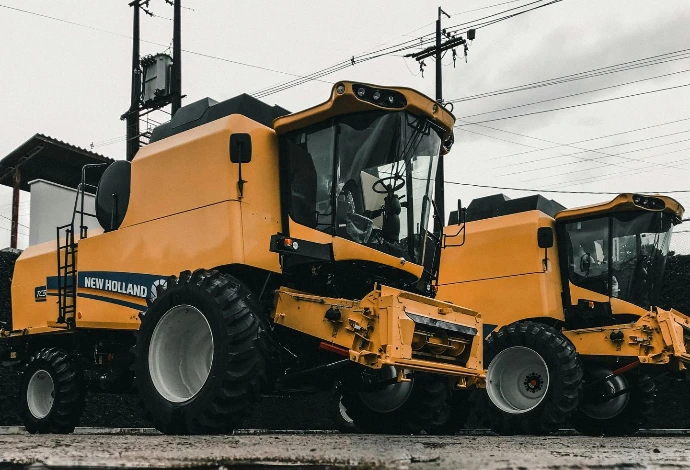
Material use with advanced nesting
Advanced nesting reduces waste in high-strength steels and helps control material costs without affecting product quality.
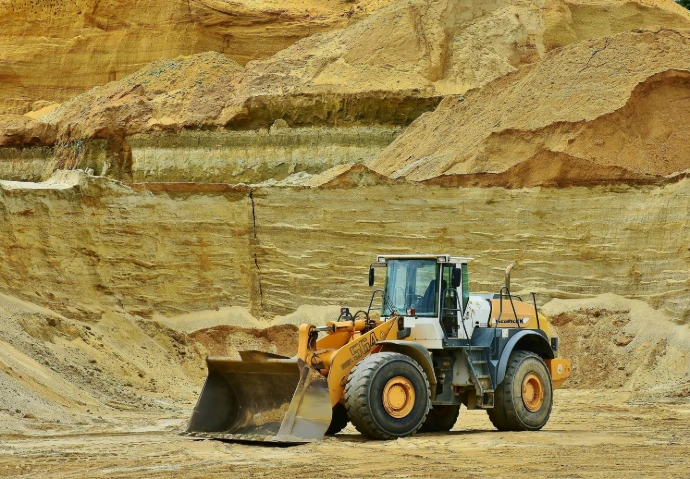
Management of product variants on the shop floor
Digital control of different excavator models and configurations, based on local regulations or market requirements. This allows several versions to be manufactured on the same line without affecting production flow.
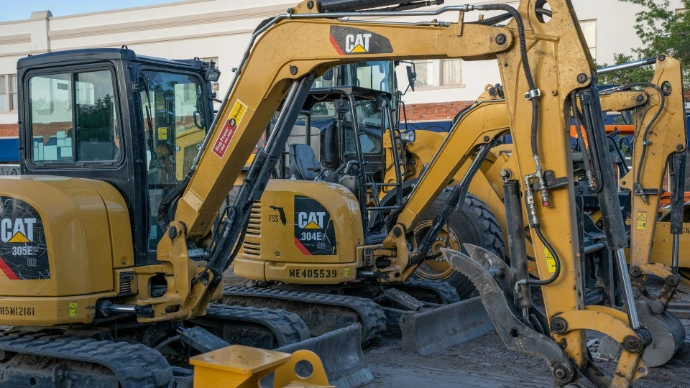
Complete document traceability
Detailed records for each part, batch, and assembly support regulatory compliance and simplify audits. This level of traceability is also important for maintenance and warranty management.
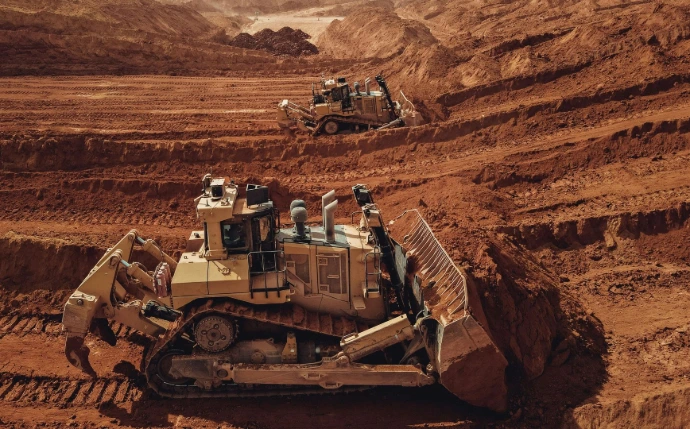
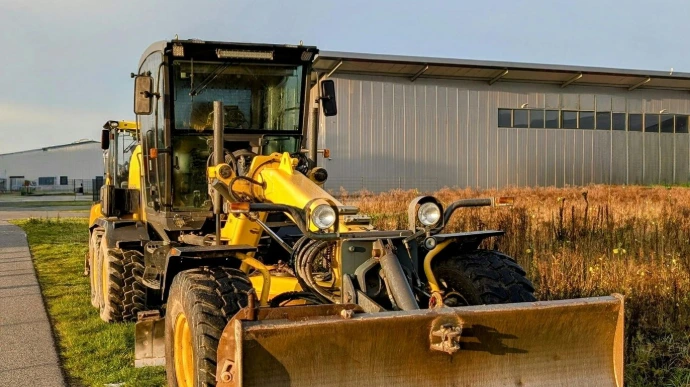
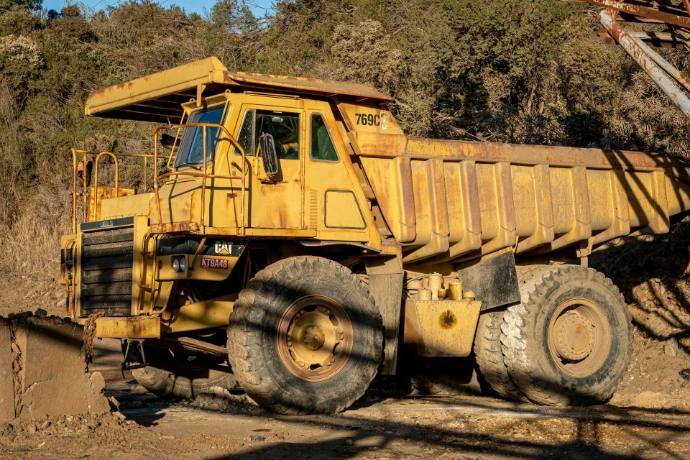
Digital solutions for heavy machinery
Total control in complex structures.
Heavy machinery manufacturing is one of the most demanding areas in metal fabrication. It requires thick plate processing, variant management, and compliance with international regulations where there is little room for error.
Digitalization helps manufacturers improve production control, maintain traceability, and make better use of materials, machine time, and labor across large-scale projects.
Integrated CAD/CAM
Imports 2D and 3D models from design and engineering software and converts them into cutting, bending, and machining programs without errors. This is essential in large structural components such as chassis and excavator arms, where precision and assembly fit are critical.

MES on the shop floor
Monitors the status of machines, production orders, and operators in real time. It provides full traceability for each phase, from initial cutting to final welding, and helps detect bottlenecks or deviations before they affect the project.
Industrial ERP
Connects purchasing, inventory, suppliers, and costs in a single digital flow. In excavator manufacturing, where expensive materials are used and multiple plants may operate at the same time, ERP supports financial control and project visibility.
Product variant management
The same production line may need to manufacture excavators with different sizes, load capacities, or market-specific configurations. A structured digital system helps manage these variants without duplicating processes or affecting plant performance.
Cutting and forming processes for heavy machinery components
The heavy machinery industry requires technologies that can process thick steel plates and large structural parts, producing durable components for excavators, bulldozers, and mining equipment.
Laser cutting for precision components
Used for auxiliary parts and precision components such as reinforcements, covers, and structural supports. Its main advantage is tight tolerance control, which reduces rework and supports clean finishes.
Waterjet cutting for sensitive materials
Suitable for heat-sensitive materials or parts that must not deform, such as certain coated elements. It is also used when the original properties of the material must be preserved.
Plasma cutting for heavy structures
Widely used for frames, structural arms, and heavy machinery chassis, where a balance between output and cut quality is needed in thick sheets.
Oxy-fuel cutting for very thick steel structures
Especially useful for chassis and anchor components made from thick plates. Oxy-fuel cutting can process materials up to 300 mm and remains a cost-effective option for straight cuts with low geometric complexity.
Punching for repetitive series
Used for supports, fastening plates, and parts with multiple repeated holes. This process can also include marking and stamping in a single operation, which is useful for repeat work.Automatic bending for critical geometries
Essential for manufacturing cabins, guards, reinforcements, and internal structural elements. It provides consistency in angles and geometries, helping ensure proper fit during assembly.
Success stories from heavy machinery manufacturers
Frequently Asked Questions (FAQs)
Industrial software is used that combines CAD/CAM, production management, and resource management on a connected platform.
Excavator manufacturing combines thick structures, heavy welding, and multiple model configurations. The system must convert 2D and 3D models into executable production processes, improve the use of high-strength steel, and maintain traceability by component. In this context, vertical software such as Lantek helps manage specialized metal manufacturing for heavy machinery.
By assigning materials, machine time, and production hours to each model or order.
High-strength steel and structural components represent a major cost. Without real production and consumption data, profitability remains theoretical. An integrated production and ERP system helps compare estimated cost with actual cost for each project.
Through digital control of configurations and design versions.
Manufacturers produce different sizes, load capacities, and configurations depending on the market. A structured system helps update plans, regroup orders, and produce multiple versions on the same line without duplicating processes or generating errors.
Through automatic nesting adapted to thickness and batch planning.
In chassis, arms, and buckets, material cost is decisive. Advanced CAD/CAM software calculates the best part layout on thick sheets, reducing waste and improving margin per unit produced.
By centralizing planning and production data on a shared platform.
Global demand requires synchronization across several plants and international suppliers. A digital system gives real-time visibility of materials, orders, and production capacity, reducing delays and cost overruns.
Metrics such as OEE, actual steel consumption, cycle times, cost deviation by model, and on-time delivery performance.
These metrics help measure operational performance and competitiveness. Shop floor data capture is essential for detecting bottlenecks in cutting, welding, or assembly before they affect the project.
By directly connecting engineering models with the CAD/CAM system and plant planning.
Removing manual reinterpretation of drawings speeds up the generation of cutting and bending programs. This allows welding and assembly to start sooner with a lower risk of errors in critical structural components.
By recording each part and subassembly with its material batch, production order, and assembly phase.
Traceability is essential for audits, maintenance, and warranty management. A structured digital system makes it possible to identify which components belong to each excavator and which processes were applied during manufacturing.
Yes. It must work in multi-technology and multi-brand environments.
In a heavy machinery plant, laser, plasma, oxy-fuel cutting, punching, and bending from different manufacturers often coexist. The software must generate programs for each machine without depending on a single brand. Platforms such as Lantek are designed for these industrial environments.
Because heavy machinery manufacturing includes technical production processes that a horizontal ERP does not cover.
Advanced nesting for thick sheets, multi-machine programming, variant management, and structural traceability are part of the production core. Specialized software for metal fabrication complements ERP and manages the technical layer of manufacturing. In this area, solutions such as Lantek are designed for heavy machinery manufacturers.