Digitalization in the Healthcare Equipment Industry
Production under strict quality and hygiene standards
Challenges in Healthcare Equipment Manufacturing
The healthcare equipment industry covers a wide range of products, including hospital furniture, modular operating rooms, surgical instruments, prosthetics, electronic devices, sterilization systems, and laboratory equipment.
This sector requires strict control of safety, hygiene, and traceability. Medical devices are manufactured using materials such as stainless steel, titanium, and biocompatible composites. These materials must withstand sterilization processes, intensive cleaning, and continuous use.

Regulatory compliance
Meeting international standards such as ISO 13485, CE marking, and FDA regulations is essential. This requires complete traceability, detailed documentation, and digitized manufacturing processes to ensure audit readiness.

Surgical precision
Tight tolerances and high-quality finishes are mandatory. Even minor deviations can compromise patient and operator safety.

Hygiene and biocompatibility
Manufacturing must ensure clean surfaces and materials suitable for repeated sterilization. Burrs or impurities can create contamination risks.

Product diversity
From operating rooms to prosthetic components, the variety of products requires flexible systems capable of managing different production volumes and workflows.

Material costs
High-value materials such as titanium and medical-grade stainless steel require efficient use. Advanced nesting and scrap management are key to reducing waste and controlling costs.

Full traceability
Each component must be tracked from its CAD design to final delivery. This ensures compliance, quality control, and post-sale traceability.
Software Requirements for Full Traceability in Medical Manufacturing
A highly regulated environment such as healthcare manufacturing requires digital solutions that ensure precision, traceability, and compliance across all production stages.
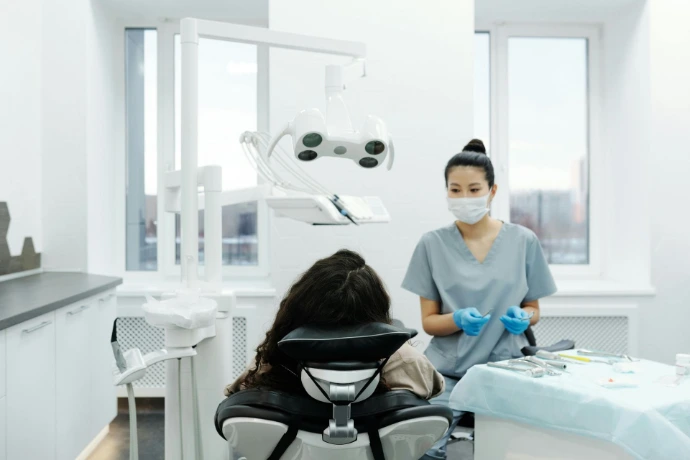
CAD/CAM for complex parts
Compatibility with leading engineering software such as CATIA, SolidWorks, and Siemens NX enables accurate conversion of CAD models into cutting and bending operations while maintaining tight tolerances.
MES for real-time production control
Shop floor monitoring provides visibility over machines, orders, and operators. It enables immediate detection of deviations and ensures full traceability across batches.
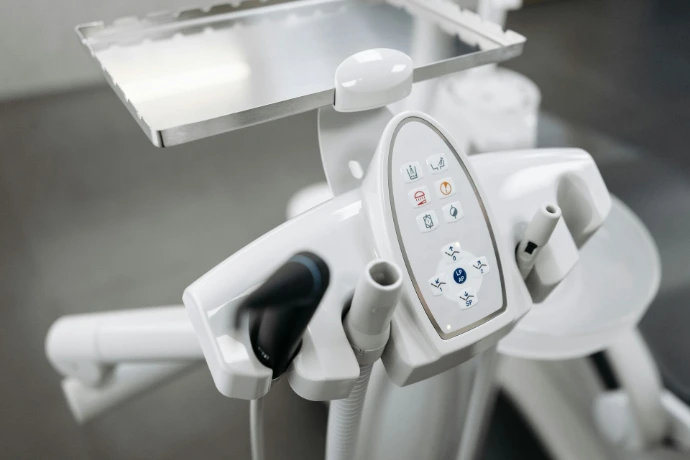
Automated documentation
Each component is recorded with its batch, drawing, and manufacturing order. This ensures compliance with ISO, CE, and FDA requirements and simplifies audits.
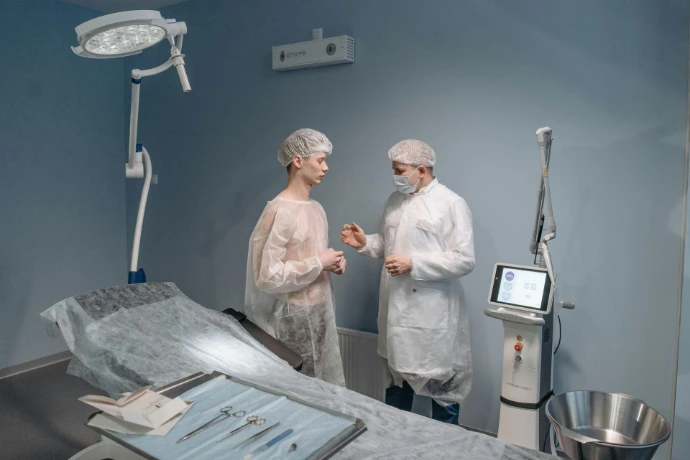
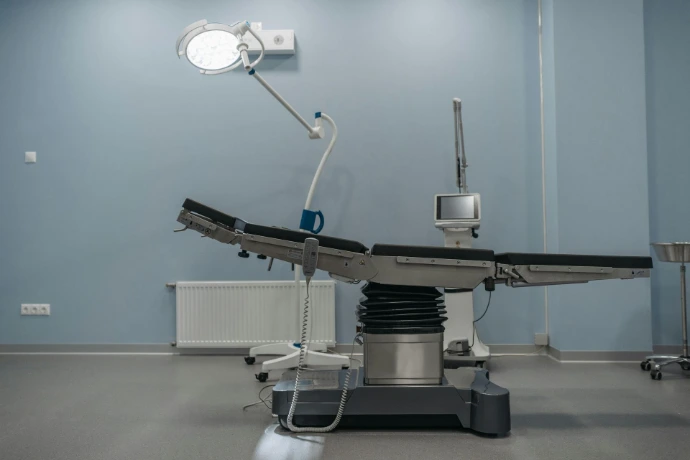
Industrial ERP for Purchasing, Inventory and Production
Connecting purchasing, inventory, costs, and production ensures coordinated operations and efficient management of high-cost materials.
Material optimization through nesting
Advanced nesting maximizes material usage and reduces scrap, improving profitability while maintaining product quality.
CAD/CAM Software for Sheet Metal and Cutting Technologies
Sheet metal software for cutting, punching, and shearing supports a wide range of machines and manufacturing processes used in medical equipment production.
Integrated CAD/CAM
Direct import of designs and automatic generation of cutting and bending programs. Suitable for surgical furniture, modular systems, and precision components.

MES with full traceability
Real-time visibility of production status. Monitor orders, machines, and operators, and respond quickly to deviations.

Connected ERP
Integrated planning of purchasing, inventory, costs, and manufacturing operations. Essential for managing expensive materials such as titanium and stainless steel.

Manufacturing analytics
Simulation tools, efficiency tracking, and bottleneck analysis support continuous process improvement based on production data.
Key Processes in Healthcare Manufacturing
Medical equipment production involves sheet metal, tubes, and profiles, where precision and repeatability are essential. Any defect can affect safety and hygiene standards.
Laser cutting
Used for surgical instruments, housings, and small precision parts. Produces clean, burr-free cuts suitable for medical applications.
Water jet cutting
Ideal for heat-sensitive materials such as composites and technical plastics. Maintains material properties required for biocompatibility.
Plasma cutting
Applied in heavy-duty hospital equipment and thick materials. Suitable for structural components requiring strength and durability.
CNC Sheet Punching
Used for trays, enclosures, and perforated components. Enables punching, marking, and light forming in a single operation.
Sheet metal bending
Essential for hospital furniture and structural assemblies. Accurate bending ensures durability and proper assembly under intensive use conditions.
Manufacturers Advancing with Digitalization
Frequently Asked Questions (FAQs)
Everything you need to know to digitalize your medical plant
ISO and FDA regulations require tracking by batch, operator, and machine.
Automated data capture reduces errors and ensures compliance.
Lantek MES documents the full production process.
Materials such as surgical steel and titanium require optimized nesting.
Specialized software minimizes scrap without affecting quality.
Lantek Expert Cut improves material usage.
Automated documentation and quality control reduce manual tasks.
MES systems integrate validation processes within production workflows.
Lantek MES Manager embeds regulatory control into operations.
A unified system combines inspection data and traceability.
It enables early detection of issues before delivery.
Lantek MES with Manufacturing Analytics connects both areas.
Each record must include batch, operator, and timestamp.
MES systems automate data collection and generate audit-ready reports.
Lantek MES WOS Live supports complete audit processes.
From operating rooms and hospital furniture to surgical instruments, prosthetics, electronic devices, and laboratory equipment.
Through adherence to ISO 13485, CE marking, and FDA standards, supported by digital traceability and document control.
Medical-grade stainless steel, titanium, technical plastics, and biocompatible composites.
Contamination risks must be eliminated through clean cutting processes, burr-free finishes, and sterilizable materials.
Laser and water jet cutting are widely used. Punching and bending are also applied in structural components.
Through identification by batch, design, and production order, ensuring full traceability across the lifecycle.
Yes. The industry combines large-scale production with custom medical device manufacturing.
Reduced material waste, improved precision, full traceability, and faster delivery of compliant medical products.