Shipyard software for digitalization and block management
Software for shipbuilding, block planning, and production control.
Key operational challenges in shipyards
A shipyard is a specialized industrial environment focused on the construction, maintenance, and repair of vessels. It works with large steel and aluminum structures, complex assemblies, and long production cycles that require precise coordination between engineering and production. These are its key characteristics:

Block-based ship production
Shipbuilding is organized in sections and blocks. This requires control of thousands of parts, intermediate inventory, and coordinated planning across multiple stages.

Full traceability in shipbuilding projects
Shipyards must track materials, parts, operators, and processes. This is required for quality control, certifications, and audits.

Harsh industrial environments
Production takes place under demanding conditions such as humidity, dust, vibrations, and intensive machine usage.

Connection with naval engineering systems
Design data from naval CAD systems must be converted into manufacturing instructions without errors or manual rework.

Project planning based on milestones
Each vessel follows strict deadlines. Delays in one phase affect the entire project and can generate penalties.
Software requirements for shipbuilding and naval fabrication
Shipbuilding involves large structures, modular production, and strict traceability requirements. The software used in a shipyard must support these processes with specific functionality adapted to metal fabrication and naval construction.
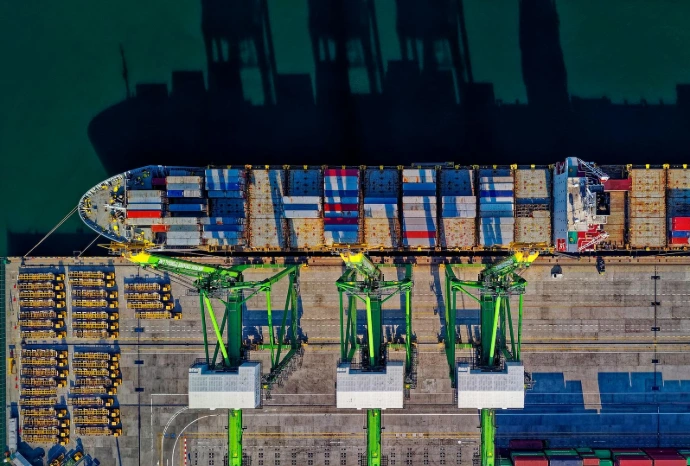
Management by ship, block, and structure
Each vessel includes thousands of parts and assemblies with different versions and configurations. The software must allow regrouping, modifying, and tracking references by ship, block, or functional area.
CAD/CAM for shipbuilding and metal structures
Naval parts include curved geometries, reinforcements, and large plates. The software must be able to import 2D/3D plans, generate cutting programs, and adapt to shipbuilding tolerances.
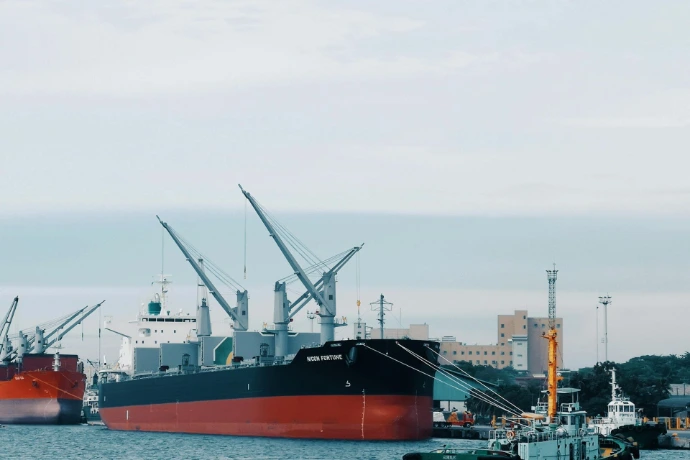
Traceability by part, batch, and operator
Shipyards must record who produced each part, on which machine, and under which conditions. This is required to comply with standards such as IMO and IACS.
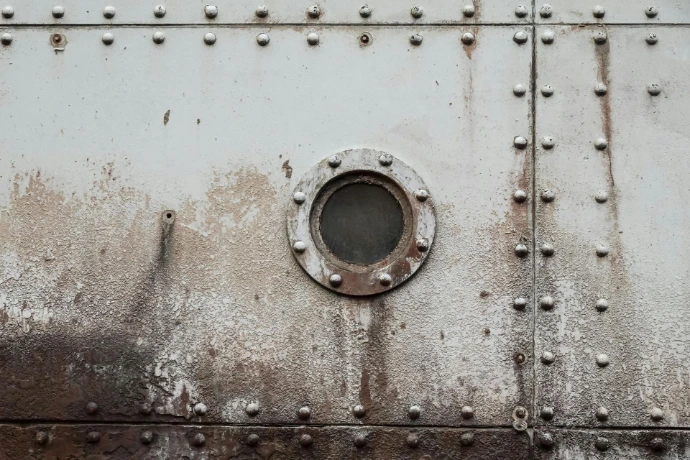
Multi-technology cutting environments
Shipyards use plasma, oxy-fuel, laser, and waterjet cutting. The software must support different machines and technologies within the same production flow.
Connection with ERP, PLM, and engineering systems
Production must stay aligned with engineering and planning. The software must integrate with systems such as Aveva, Siemens, or IFS.
Block planning and milestone control
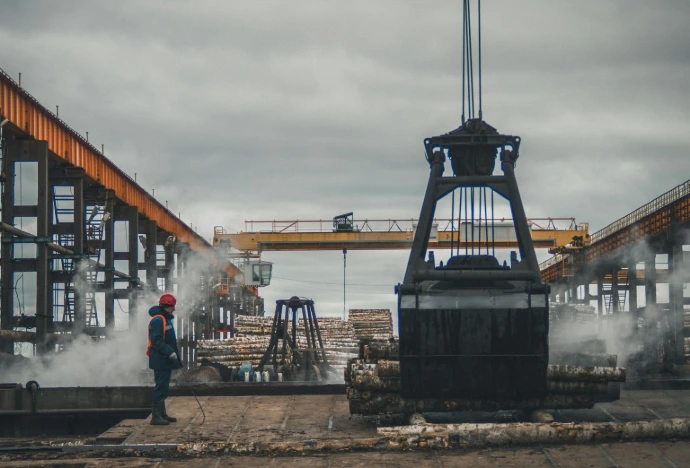
Production is managed by phases such as hull, deck, or propulsion. Software must support planning, cost tracking, and progress monitoring per block.
Global visibility of shipyard production
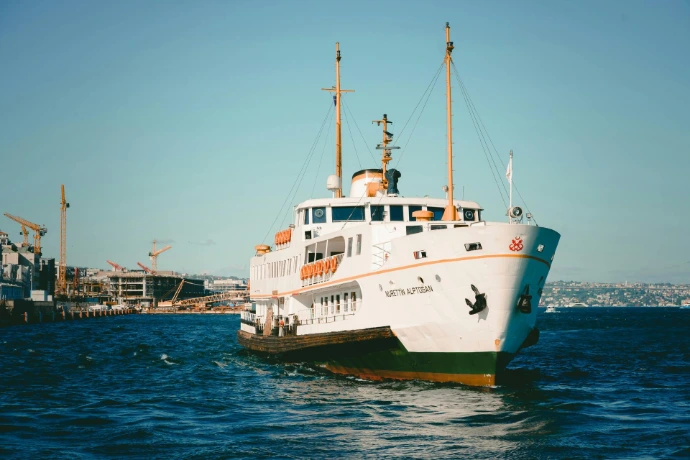
All stages, from cutting to assembly, must be monitored. The system must provide access to production data from both office and shopfloor.
Digital solutions for shipyards and naval manufacturing
Experience in shipbuilding and metal fabrication
Developed in the Basque industrial ecosystem, with strong shipbuilding tradition, Lantek software has been applied in shipyards and heavy fabrication environments for decades. This experience supports real production scenarios such as large plate cutting, block assembly, and full traceability.

Automatic nesting for shipbuilding
Efficient material usage for large plates, adapted to different cutting technologies and thicknesses.

Production data capture in shipyards
Real-time tracking of parts, operators, and machine status across the shopfloor.
ERP for shipbuilding production control
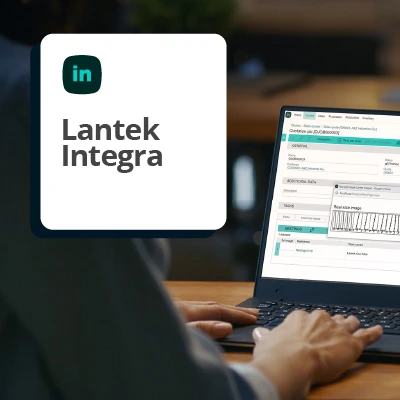
Planning by project, cost tracking per vessel, and control of materials and resources.

Artificial intelligence in shipbuilding processes
Used for load estimation, planning support, and time calculation in quoting and production.
Cutting technologies used in shipbuilding
Shipyards work with thick plates, large formats, and a wide range of materials such as carbon steel, stainless steel, and aluminum. Each cutting technology is selected based on thickness, precision requirements, production volume, and downstream processes such as welding or assembly.
In most shipyards, different cutting technologies coexist. This requires software capable of programming, managing, and optimizing all of them within the same production environment, regardless of machine brand.
Laser cutting in shipbuilding
Laser cutting is widely used for thin and medium thickness sheets where precision and edge quality are critical. It is common in supports, brackets, reinforcements, and interior structures. It reduces secondary operations and improves fit-up in assembly. It also supports automated cutting lines and high production volumes.Waterjet cutting for sensitive materials
Waterjet cutting is used for materials that cannot be affected by heat. This includes composites, insulation materials, multilayer parts, and certain alloys. It avoids thermal distortion and preserves material properties, which is important in specific naval applications.
Oxy-fuel cutting for thick plates
Oxy-fuel cutting is used for very thick carbon steel plates, typical in hull structures and heavy sections. It is slower than other technologies but remains standard for large structural components where thickness is a key factor.
Plasma cutting in naval fabrication
Plasma cutting is commonly used for medium thickness plates in steel and aluminum. It provides a balance between speed and cut quality. It is widely used in shipyards for structural parts and general fabrication.
Success stories in shipyards and naval fabrication
FAQs about shipyard software and production control
Shipbuilding projects run over long periods, where small deviations accumulate and impact margins. It is necessary to assign materials, cutting time, welding, and assembly costs by block and by vessel.
A production system allows to compare the initial budget against the actual cost at each stage using real production data.
Shipyards often handle several vessels in parallel, so the system must separate data by project and avoid mixing materials, parts, and planning.
Structured planning by block and ship avoids resource conflicts and improves global visibility.
It is necessary to record materials, operators, machines, and inspections for each part. This supports audits, certifications, and quality requirements.
Digital systems allow full traceability across the entire project, including cutting, welding, and assembly.
Shipbuilding requires control of weld procedures, certifications, and non-destructive tests. A production system links each weld to its block, operator, and inspection results, ensuring compliance with classification societies.
Engineering systems generate 3D models that must be translated into cutting programs and manufacturing orders. CAD/CAM systems connect engineering data with shopfloor execution, reducing manual interpretation and errors.
Yes. The ERP manages finance and purchasing, while production systems handle planning, scheduling, and execution. Integration avoids duplication and ensures consistency between engineering, production, and business data.
Delays usually come from lack of coordination between engineering, cutting, welding, and assembly. Real-time visibility of production status helps detect bottlenecks early and adjust planning.
Shipyards combine plasma, oxy-fuel, laser, and waterjet cutting, often from different machine manufacturers. The software must support programming and managing all technologies within one system.
Solutions like Lantek are designed for multi-brand environments. and allow unified control of all cutting processes.
Implementation should be done in phases, starting with cutting and material control, then data capture, and finally planning and ERP connection. This approach allows gradual deployment without interrupting production.
ERP systems manage finance and business processes, but do not cover production details such as nesting, cutting, or block management.
Specialized software complements ERP by managing manufacturing processes specific to shipbuilding and metal fabrication.