Introduction
The software challenge in industrial environments with multiple processes
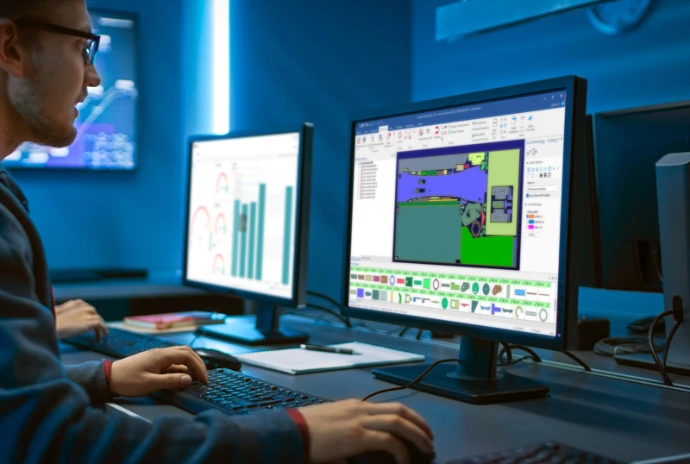
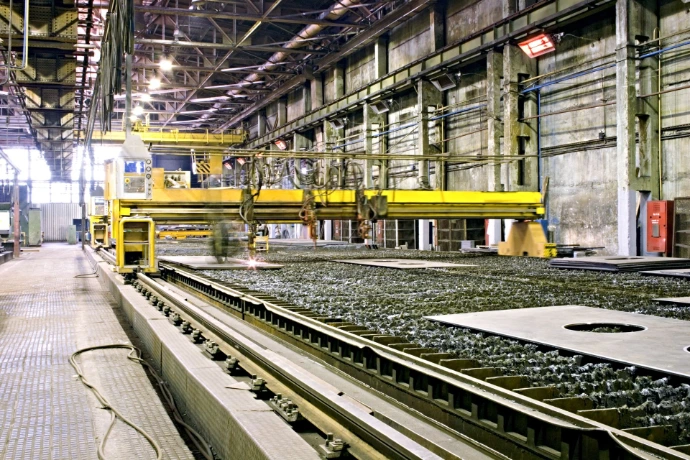
In many industrial sectors (such as machine shops, boiler making, industrial refrigeration, energy, shipyards, elevators, or agricultural machinery) finished products or complex components are manufactured. This implies production chains with multiple linked processes such as cutting, bending, welding, machining, assembly, quality control, and internal logistics. For this reason, companies typically rely on corporate ERPs to manage cross-functional areas such as accounting, inventory, purchasing, sales CRM, MRP, quality, or asset management.
For this reason, many companies use corporate ERP systems to manage cross-functional areas such as accounting, inventory, purchasing, CRM, MRP, quality, and asset management.
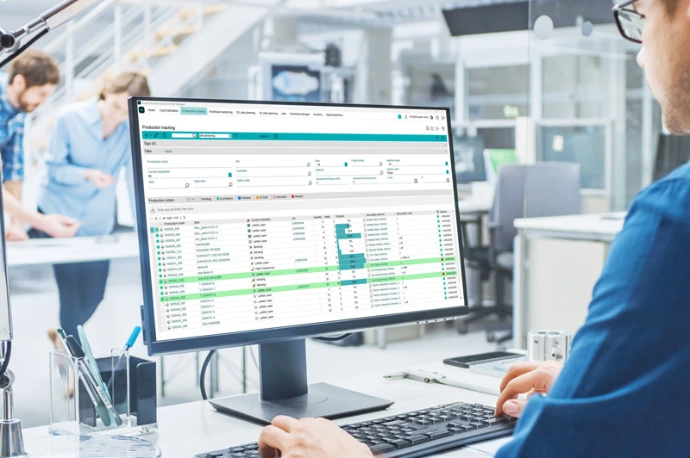
However, when sheet metal and metal processing is a critical part of production, additional needs appear that generic systems do not cover well. These include multi-brand CAD/CAM, advanced nesting, technical quoting for non-standard products, detailed machine scheduling, intermediate stock control, automation links, and capture of real production data.
This is where the difference between horizontal software and specialized vertical software becomes important. Lantek addresses this need across three main industrial manufacturing models, supports the complete cycle from design and planning to production and logistics, optimizing material, synchronizing procurement, and controlling costs and quality. In subcontract manufacturing, it helps manage high job turnover, multiple customers, priority changes, and full traceability from order to delivery.
In own-product manufacturing, it supports the full process from design and planning to production and logistics, helping control material usage, supply coordination, costs, and quality.
In project-based manufacturing, it supports complex jobs with multiple phases, milestones, partial deliveries, and ongoing cost control from the initial quote to final completion.