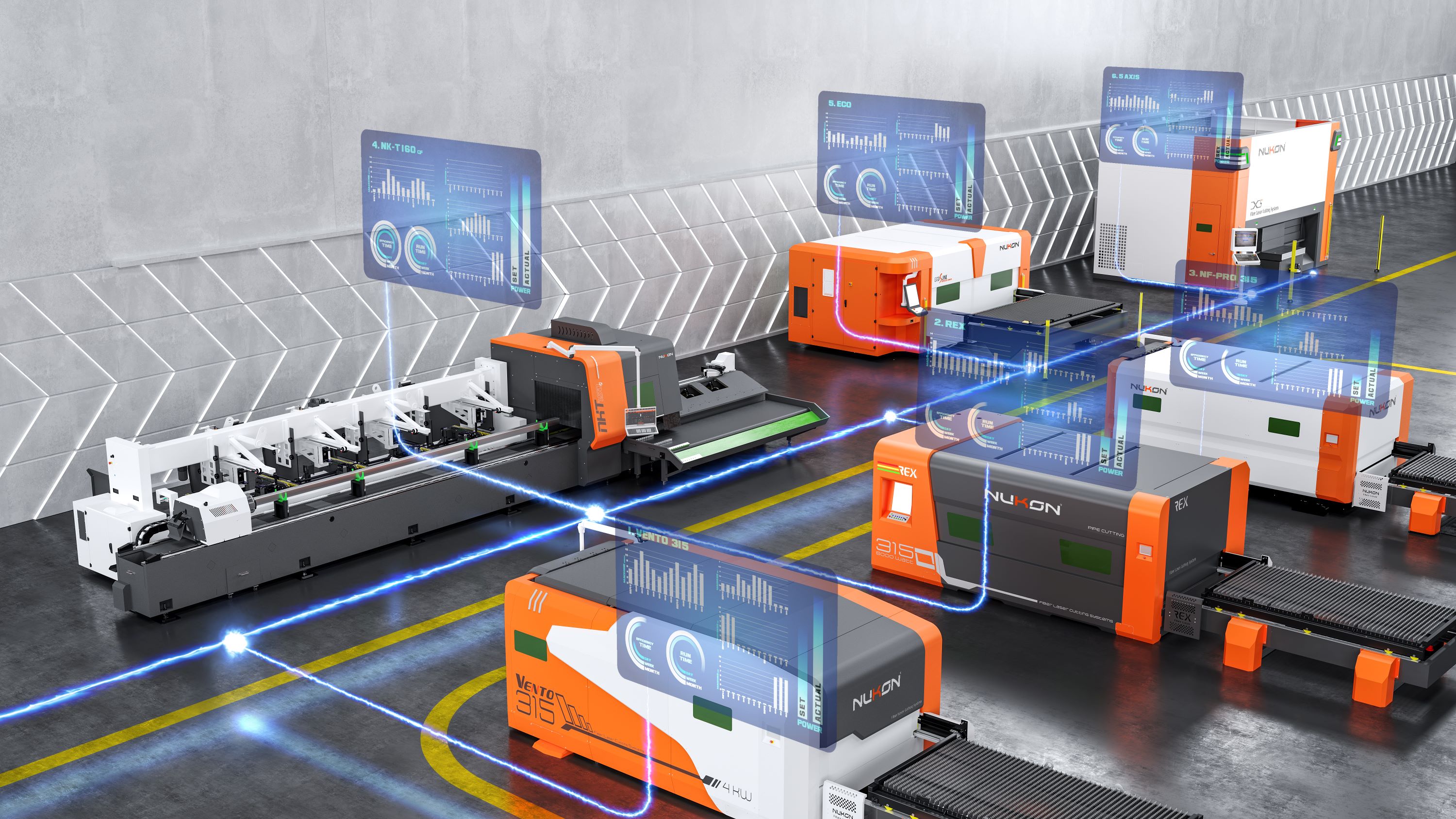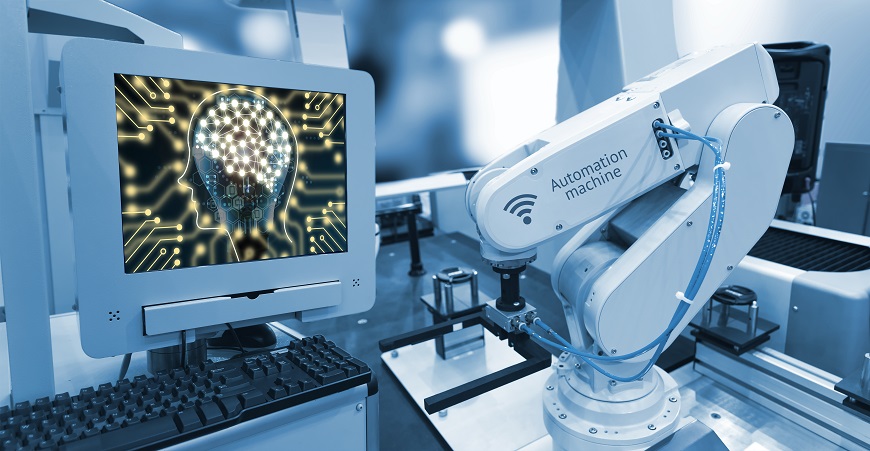
However, we don’t have the capacity to analyze in real time this huge amount of information to in order to fully exploit it. Therefore, we need to incorporate in our organizations an innovative tool that can overcome these barriers. I’m talking about Machine Learning, considered by Gartner Consulting to be one of the 10 strategic technologies that will revolutionize companies and cause a paradigm shift in the way factories manufacture. According to figures from General Electric, this enabler of the Fourth Revolution will increase production capacity up to 20%, will generate significant savings in material and energy consumption and will reduce rework, also by 20%.
Machine Learning consists of equipping machines with cognitive intelligence. To do this, they are taught through the introduction of historical data to predict future behaviors, responses to different eventualities... In parallel, algorithms are developed that use the data to learn by themselves and are able to find ways to optimize production using this information. For example, if we have our customer profiles digitalized (size, orders, frequency, materials, prices...), the system can predict demand, warn of possible customer churn, set prices, detect fraud, prevent defaults on payments or identify new patterns of consumption. In this regard, in a world in which the capacity of companies to customize their production is an increasingly valuable asset, Machine Learning is the ideal tool for segmenting profiles and offering the flexibility needed for customized orders.
Just by analyzing the behavior of customers, this technology opens the door to new business models that derive from the "servitization" of the industry. That is, the possibility of offering services around the products we manufacture thanks to these new Industry 4.0 tools. For example, this aforementioned capacity to customize products based on a standard product is a service for the customer, or if we create applications based around an item we can also create new business models.
By knowing our customers well and applying this technology, we can substantially increase our sales.
When applied to the production chain, this means that machine downtimes can be reduced, manufacturing speeds can be calculated, workload can be adjusted to the demand or potential breakdowns can be detected before they occur. In other words, it provides solutions to different incidents in real time that help people to make better decisions. It can even automate these responses. Which undoubtedly affords the factory more agility and speed. All this, with lower costs. Furthermore, Machine Learning allows for greater scalability of production through predictive analysis and the appropriate selection of machines and suppliers.
This innovation has an impact not only on production but also on planning efficient machine maintenance, depending on the demand at the time, as well as on inventory management. Machine Learning is key to optimizing storage and reducing unnecessary stocks and/or stockouts. Automated monitoring is essential for this, predicting in real time a missing part or component, or anticipating a damaged item, in order to quickly solve the problem and meet delivery deadlines.
But we shouldn’t think that having a high volume of data is a sine qua non condition for applying Machine Learning. Quality is better than quantity. And in this case it is important to filter the raw information that really adds value for predictions. In short, selecting strategic information along with an analysis system has a global view and a predictive capacity of production, will make us more productive with lower costs. In other words, more competitive.