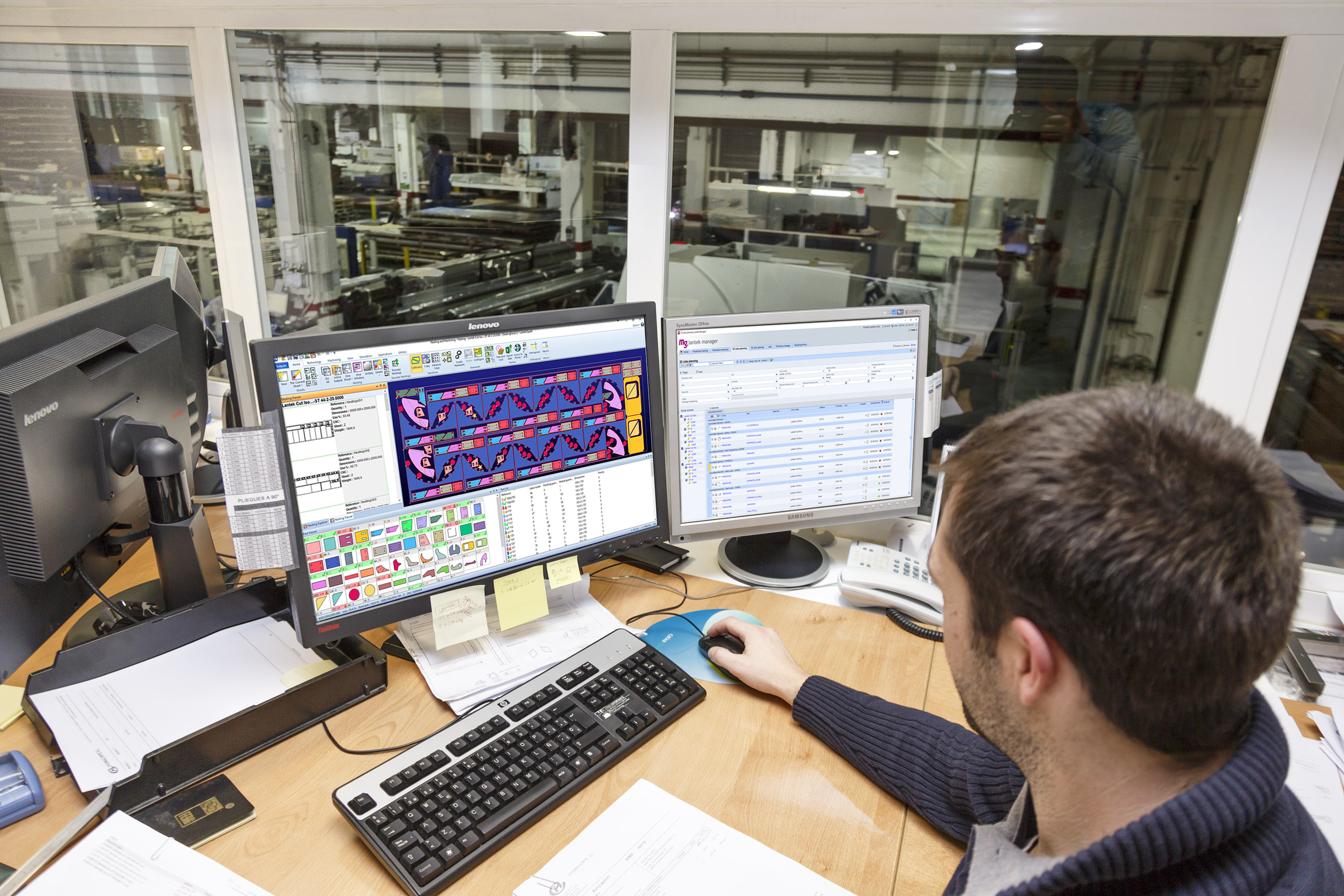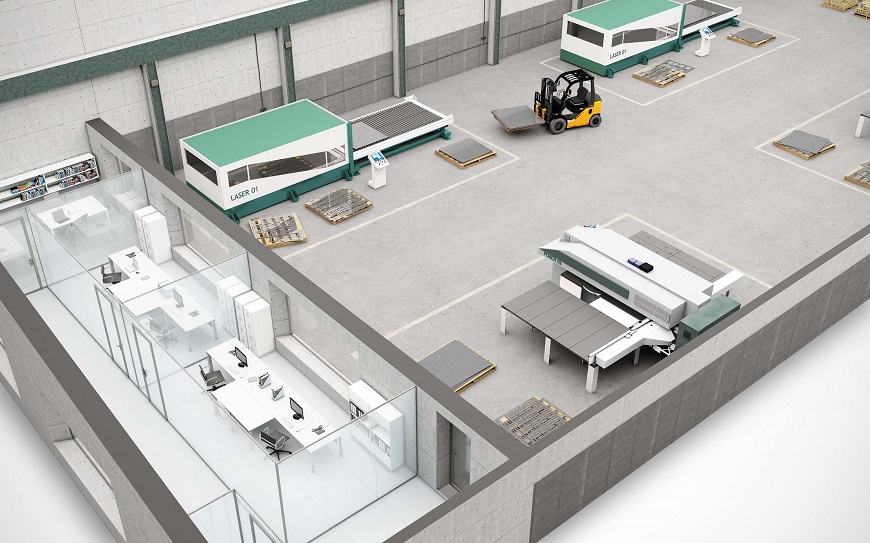
이 솔루션을 사용하면 구매 주문과 제조 조업 활동을 관리함으로써 공정에 더 큰 유연성, 속도, 효율성을 제공할 수 있습니다. 이 모든 것이 비즈니스 관리 시스템(ERP)을 통해 설계 모듈(CAD)부터 기계 가공(CAM)까지 다양한 영역 및 비즈니스 프로세스의 나머지 부분과 완전하게 통합함으로써 효과를 발휘합니다.
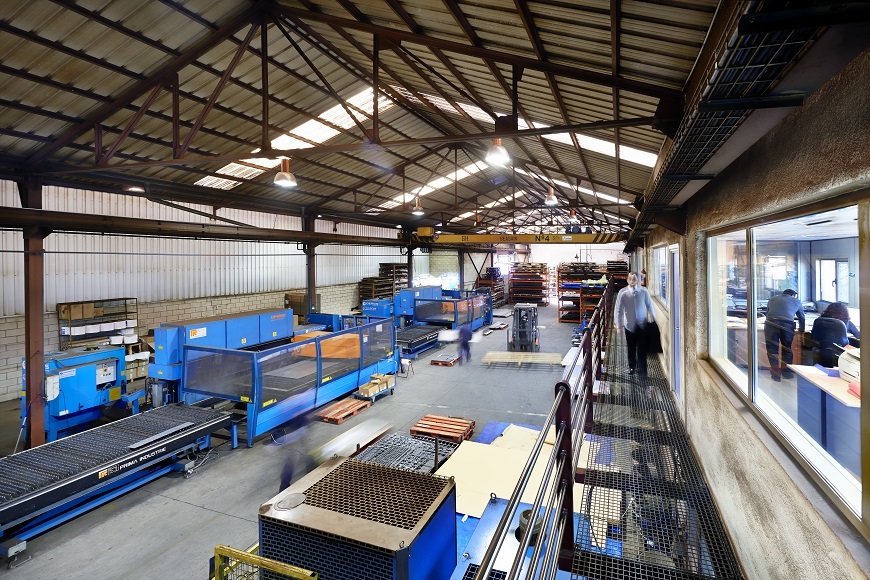
결과적으로, 공장 생산성이 비용 최적화와 더불어 크게 증가하여 판금, 튜브, 프로파일의 각 요소를 생산하는 회사에서 제조 활동을 첨단 기술로 관리할 수 있게 되어, 공장에서 발생하는 모든 다양한 활동을 계속 실시간으로 제어하고, 초기 고객 유치 과정부터 최종 지원 서비스에 이르는 다양한 각각의 영역에서 현재와 미래에 관리 회사의 모든 요구를 포괄할 수 있습니다.
이는 다음과 같이 4가지 보완적인 기능 영역으로 구성됩니다.
Lantek MES Manager(생산 관리):사용자가 기계, 단계, 소재, 두께, 납기일 등의 다양한 기준에 따라 처음부터 끝까지 제조 공정을 자동으로 관리하여 생산 제품의 상태를 실시간으로 추적할 수 있는 소프트웨어입니다. 예를 들어 생산 최적화에 필요한 기계의 작업 부하를 고려하여, 자원을 더욱 최적의 방법으로 사용하거나 편차를 방지하기 위해 비용의 비교 분석을 수행하도록 요청을 재할당하고 수정할 수 있습니다.
Lantek MES Wos(데이터 유효성 검사): 사용자는 직관적인 화면을 사용하여 모든 제조 데이터(작업자, 소재, 재고, 기계 가용성 등)를 실시간으로 수집하는 효율적인 솔루션을 얻을 수 있으므로, 공정을 지연시키고 오류를 발생시킬 수도 있는 관리 작업의 필요성이 사라집니다. 작업이 수행되는 기계에서 생산을 최적화하여 작업자의 활동이나 판금 가공을 통제하는 것이 목적입니다.
Lantek MES Capture(이동성): ERP 비즈니스 관리 시스템(Lantek Integra)과 통합된 데이터 캡처 시스템으로, 실시간으로 또는 지연된 시간에 어디서든 각 공정을 관리하고 제어할 수 있습니다. 작업자는 이 도구를 사용하여 발생 가능한 편차를 즉시 식별하고 수정할 수 있습니다. 하지만 이는 절단 작업에 유용할 뿐 아니라 직원의 출입 시간을 기록하는 데도 유용한데, 최근에 시간 기록에 관한 Royal Decree-Law 8/2019 가 발효된 후에 직원들이 계속 여러 곳을 이동하며 일하는 회사에 매우 적합합니다.
Lantek MES Inventory(재고 관리): 이 솔루션을 사용하면 생산 중이든 재고로 보유 중이든, 요청 시 실제 재고를 확인할 수 있습니다. 이 시스템을 사용하면 판금 및 스크랩 사용량을 실제로 상당히 절감할 수 있습니다. 이 시스템은 Lantek Integra에 연결되어 제품의 실제 비용을 자동으로 업데이트합니다. 또한 바코드 또는 QR 리더와 통합되어 있어 데이터를 빠르게 식별하고 입력/기록할 수 있습니다. 재고의 이력 통제와 광범위한 재고 분석을 수행하기에 효과적인 프로그램입니다.
요컨대, Lantek MES가 안겨주는 많은 이점 가운데 다음과 같은 이점이 특히 중요합니다.
이런 식으로, 사용자는 Lantek MES를 사용하여 회사의 경쟁력 제고에 도움이 되는 빠르고 유연하며 사용하기 쉬운 도구로 간단하게 생산 공정의 수익성을 높일 수 있습니다.